

Healthcare organizations face unique cybersecurity challenges. Hospitals and clinics must keep systems available around the clock, give clinicians fast access to patient records, connect thousands of medical devices and share data with insurers, laboratories and health information exchanges. Every one of those requirements creates opportunities for attackers.
This article explains why healthcare is such an attractive target, the regulations that apply to UAE healthcare providers, and practical strategies for protecting sensitive patient data while maintaining clinical operational efficiency.
Why healthcare is a prime target
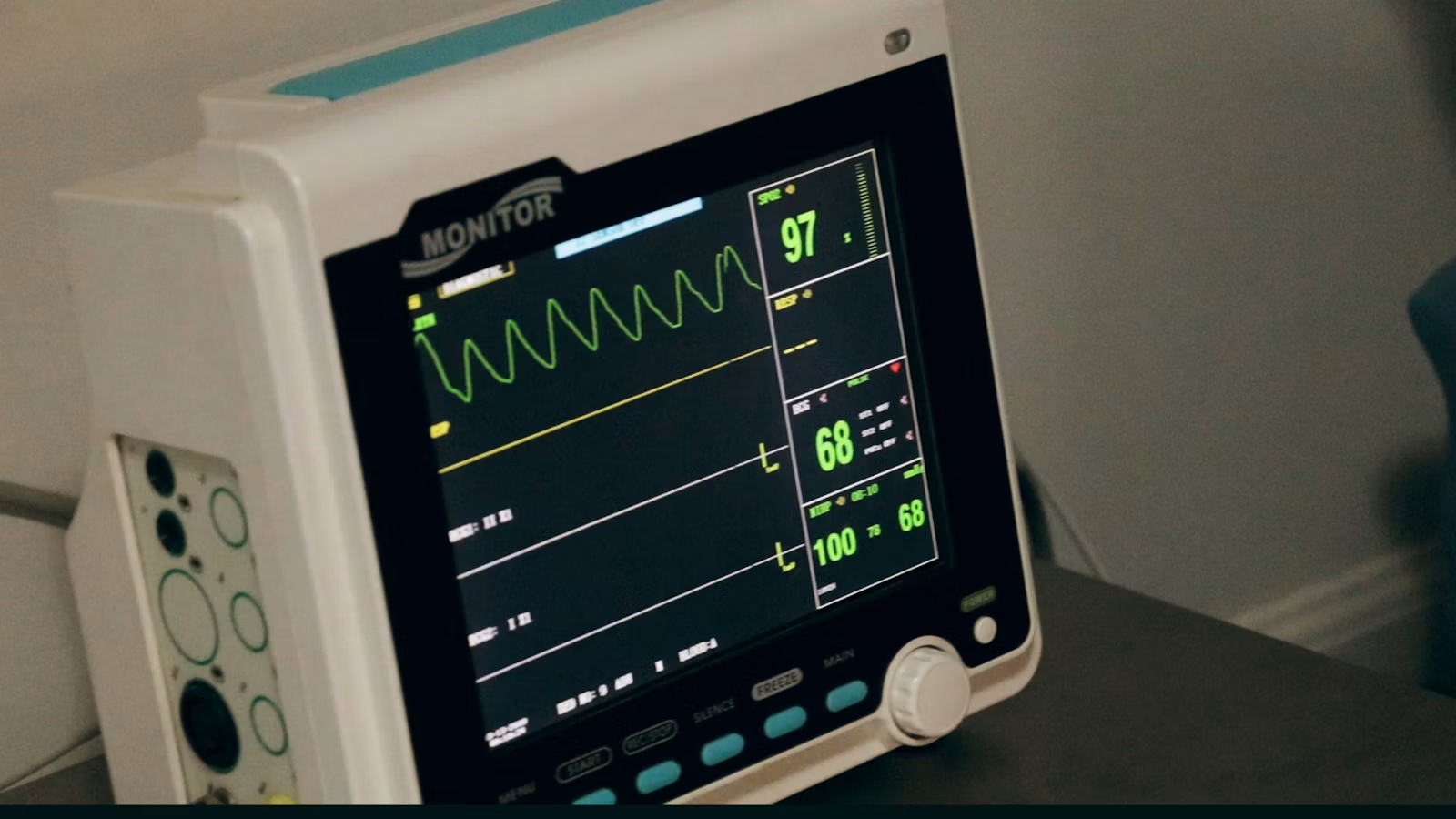
Valuable data. Medical records combine identity, financial and health information, and cannot be changed like a password once stolen.
Availability is life-critical. Hospitals cannot wait days to restore systems, which makes them more likely to feel pressure to pay ransoms.
Connected medical devices. Infusion pumps, imaging systems and patient monitors often run outdated software that cannot be patched quickly.
Complex ecosystems. Hospitals rely on many suppliers, from electronic health record vendors to billing and laboratory partners.
Shared, busy environments. Clinicians move between workstations quickly, and security that adds friction tends to be bypassed.
The healthcare threat landscape
| Finding | Figure | Source |
|---|---|---|
| Average cost of a healthcare data breach (2026) | $6.64 million, the highest of any industry for the 13th consecutive year | IBM Cost of a Data Breach 2026, via HIPAA Journal |
| Global average cost of a data breach (2026) | $4.99 million | IBM, 2026 |
| People affected by the Change Healthcare ransomware attack (2024) | About 193 million, the largest healthcare data breach in US history | TechTarget |
| Average cost of a data breach in the Middle East (2026) | $8 million | IBM Middle East findings |
The Change Healthcare attack is a reminder that the weakest link may be a supplier. A single compromised claims-processing provider disrupted pharmacies, hospitals and payments across the United States for weeks. The CISA #StopRansomware program publishes guidance on the ransomware groups that frequently target healthcare.
Healthcare cybersecurity regulations in the UAE

| Requirement | Who it applies to | What it means |
|---|---|---|
| ADHICS (Abu Dhabi Healthcare Information and Cyber Security Standard) | Healthcare facilities, payers and health technology providers regulated by the Abu Dhabi Department of Health | A comprehensive set of governance and technical controls, updated to version 2.0 in 2024. See our ADHICS compliance services. |
| Federal Law No. 2 of 2019 on the use of ICT in health fields | Healthcare providers and anyone processing health data in the UAE | Health data should generally be stored and processed inside the UAE, with limited exceptions |
| Dubai Health Authority requirements | Healthcare facilities licensed in Dubai | Information security and data sharing requirements, including for the NABIDH health information exchange |
| UAE PDPL | Personal data not covered by sector-specific health legislation | Consent, data subject rights, security and breach notification |
| HIPAA | Organizations handling protected health information for US patients or partners | US privacy, security and breach notification rules |
Health information exchanges such as Malaffi in Abu Dhabi, NABIDH in Dubai and Riayati for federal facilities connect providers across the country. Each connection improves care but also extends the attack surface, which is why regulators set clear security expectations for participants.
Balancing patient care and data protection: key strategies
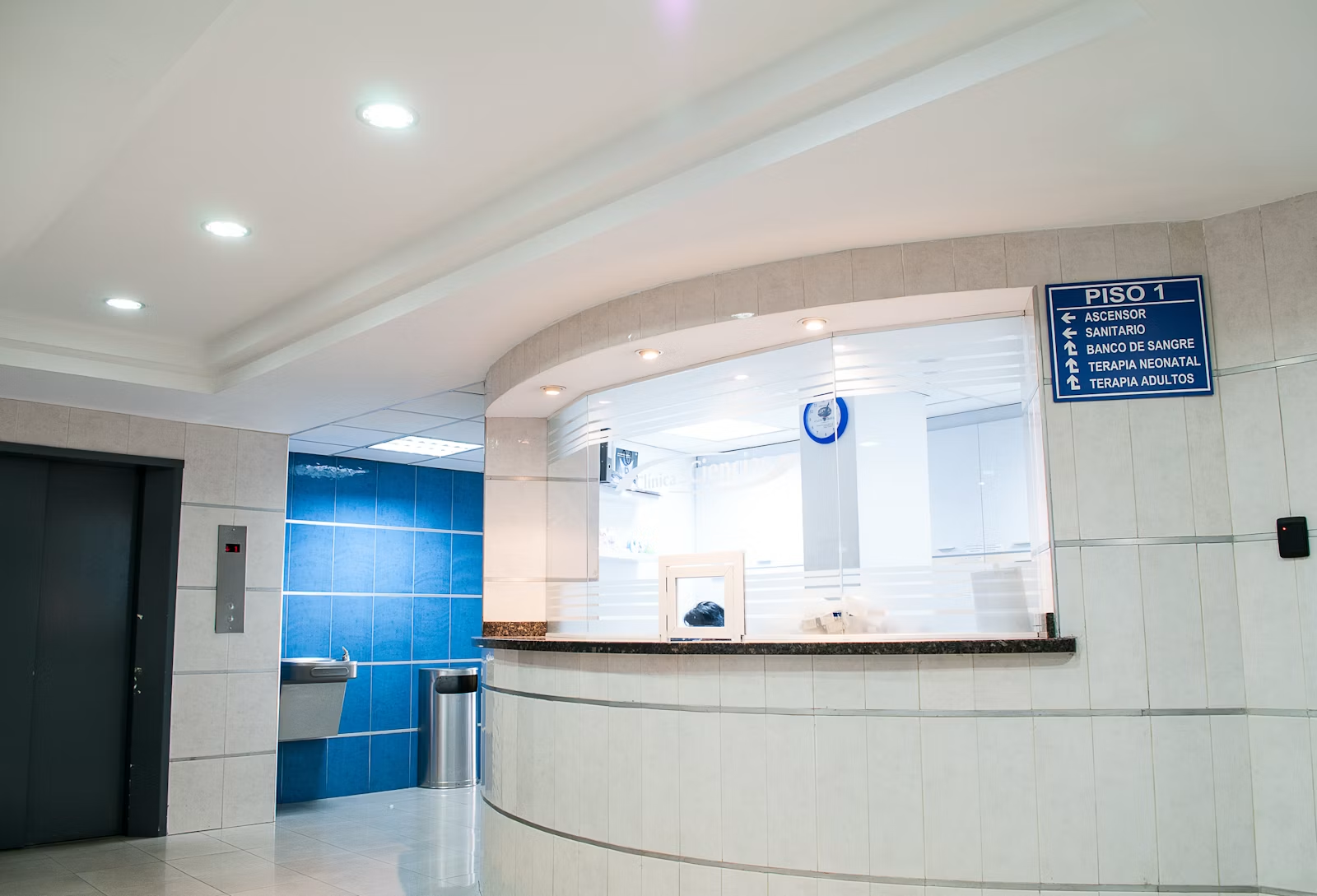
1. Start with a healthcare-specific risk assessment
Identify the systems that support patient care, such as the electronic health record, laboratory, pharmacy, imaging and scheduling, and assess the clinical impact if each became unavailable. A risk assessment built around patient safety helps leadership prioritize investment.
2. Make secure access fast
Single sign-on, badge or proximity login and session roaming let clinicians log in quickly without sharing accounts. Strong identity and access management, with privileged access controls for administrators, removes the temptation to work around security.
3. Secure medical devices
Maintain an inventory of every connected medical device, place devices on segmented networks, restrict remote vendor access and agree patching responsibilities in procurement contracts. Network segmentation based on Zero Trust principles limits how far an attacker can move if a device is compromised.
4. Protect patient records and data sharing
Encrypt health data at rest and in transit, log and review access to patient records, and use data loss prevention to stop records leaving through email, cloud storage or removable media.
5. Build ransomware resilience
Keep immutable, offline backups, test restoration of clinical systems and maintain paper-based downtime procedures that staff have actually practiced. An up-to-date incident response plan should cover clinical escalation as well as technical recovery.
6. Manage suppliers and cloud services
Assess the security of electronic health record vendors, billing partners and cloud providers, and confirm that health data stays in approved locations. Our articles on secure multi-cloud strategy and cross-border data transfers cover these issues in more detail.
7. Train clinical and administrative staff
Phishing and social engineering remain leading causes of breaches. Short, role-specific awareness training works better for busy clinical teams than long generic courses.
8. Monitor continuously
Round-the-clock monitoring through a security operations center helps detect attacks early, before they affect patient care. Accurate detection matters, because alert overload is a serious problem in hospital IT teams with limited staff.
9. Govern AI in clinical settings
AI is increasingly used for diagnostics, triage and documentation. Clinical AI needs clear governance for patient safety, data protection and human oversight, as explained in our article on ethical AI governance in regulated industries.
A practical healthcare security roadmap
Assess compliance against ADHICS, DHA requirements or other applicable standards.
Build a complete inventory of systems, data and connected medical devices.
Fix high-risk access issues, such as shared accounts and missing MFA for remote access.
Segment medical devices and critical clinical systems.
Test backups and rehearse downtime and incident response procedures.
Put supplier security requirements into contracts and review key vendors.
Establish continuous monitoring and regular penetration testing.
Report progress to leadership in terms of patient safety and service continuity.
Common healthcare security mistakes
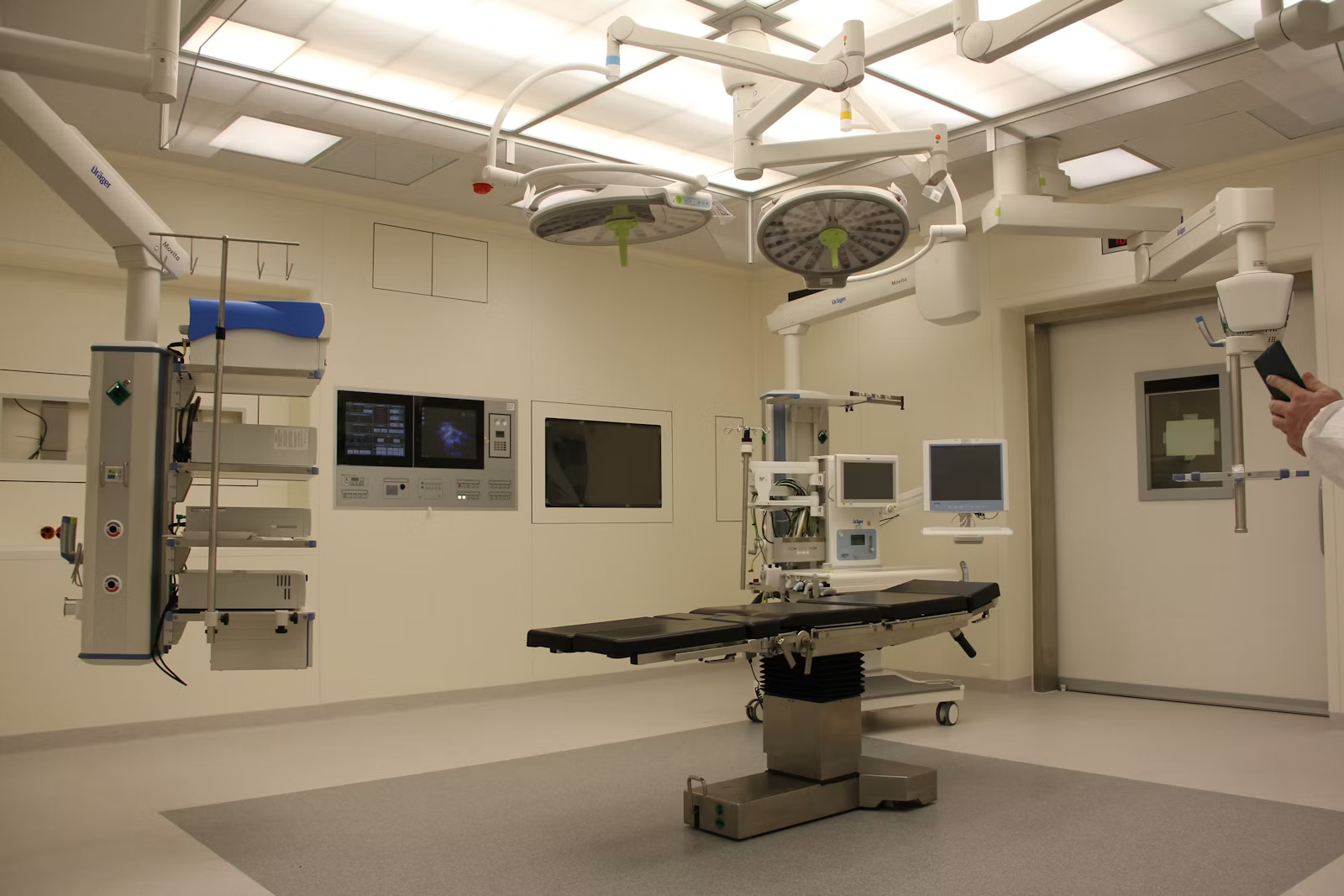
Security that slows clinicians down, which leads to shared logins and workarounds.
Treating medical devices as IT's problem only, without involving biomedical engineering and vendors.
Untested backups, discovered to be incomplete or encrypted during an attack.
Overlooking suppliers, who often have broad remote access to clinical systems.
Compliance without resilience, where controls exist on paper but downtime procedures have never been practiced.
How Intello helps healthcare organizations
Intello works with hospitals, clinics, payers and health technology companies across the UAE to protect patient data and keep clinical services running. Our services include ADHICS compliance, HIPAA compliance for organizations serving US patients, risk assessments, medical device security reviews, penetration testing and incident response planning, all designed around the realities of healthcare operations.
Talk to our healthcare security team or book a free security assessment.
Frequently asked questions
Why is healthcare targeted by cyberattacks?
Health records are highly valuable, hospitals cannot tolerate downtime, medical devices are often hard to patch and healthcare relies on many third parties. Together, these factors make healthcare an attractive target for ransomware and data theft.
What is ADHICS?
ADHICS is the Abu Dhabi Healthcare Information and Cyber Security Standard issued by the Department of Health Abu Dhabi. It sets governance and technical security requirements for healthcare facilities, payers and health technology providers, and was updated to version 2.0 in 2024.
Can health data be stored outside the UAE?
Generally no. Federal Law No. 2 of 2019 on the use of ICT in health fields requires health data to be stored and processed inside the UAE, except in limited cases permitted by the health authorities.
Does the UAE PDPL apply to health data?
The PDPL excludes health data that is governed by its own legislation, such as Federal Law No. 2 of 2019. Other personal data held by healthcare organizations, such as staff or marketing data, may still fall under the PDPL.
How much does a healthcare data breach cost?
According to IBM's 2026 research, the average healthcare data breach costs $6.64 million, the highest of any industry for the 13th year in a row.
How can hospitals secure medical devices?
Keep an inventory of all connected devices, segment them from the main network, restrict vendor remote access, monitor their traffic and agree patching responsibilities with manufacturers in procurement contracts.